Using the Correct Colours – Black vs Rich Black

August 5, 2026

We often use two types of black when designing artwork. Standard 100% black and ‘rich black’. When we use rich black, a percentage of cyan, magenta and/or yellow ink is mixed with the black. The additional saturation of colour creates a rich black that will print darker than black ink alone. 


It is very important to use the correct ‘black’ when designing. ‘Black’ colour swatches can appear to look the same on screen. However, setting up and using the wrong type of black can result in artwork printing incorrectly.


The following examples present some common design scenarios and solutions for dealing with colour issues involving black.

EXAMPLE 1: Black Backgrounds and Images

Let’s start with a 100% [Black] solid background and place a CMYK image containing a ‘black’ background on top of the background.

When the design is exported for print, the edges where the image meets the background will not blend together. A clear line of colour difference will show up on the final file.

SETTING UP A RICH BLACK IN YOUR LAYOUT PROGRAM

Big areas of 100% black ink will print very dull. When printing in CMYK, we should use a rich black for better results. At Bright Print Group, we suggest a CMYK breakdown of: C 20% M 20% Y 20% K 100%.

It is useful to create a rich black swatch within your design file with these values to ensure consistency in your design.

BLACK BACKGROUNDS IN RASTER IMAGE FILES

When we use pictures with ‘black’ backgrounds, the colour breakdown is often a mix of cyan, magenta, yellow and black. Without a doubt, every image will have varying colour breakdowns. Before placing an image into your layout, edit the image file so the 'black' has closer color values to the rich black background it will be placed on.

With an understanding of what a rich black is, the below solution demonstrates how the problem in our example can be fixed.

When the image is placed on top, the black background of the image will blend smoothly with the black background of the layout file.

EXAMPLE 2: Designing with Black

This CMYK artwork layout contains a large area of black. This ‘black’ area should be set to a rich black for optimum print result.

EXAMPLE 3: Black Text

When typesetting in black text, the colour used should be 100% [Black].

If you have any questions concerning the blacks used in your artwork, contact NCP and our prepress department can check your colour set-up before it goes to print with us!

August 24, 2026
Setting up artwork files properly for print can save you time and money. Discuss with your printer the artwork file considerations before you start your project.
August 4, 2026
Shelf-ready packaging is used to protect products during transportation AND double as a retail display unit.
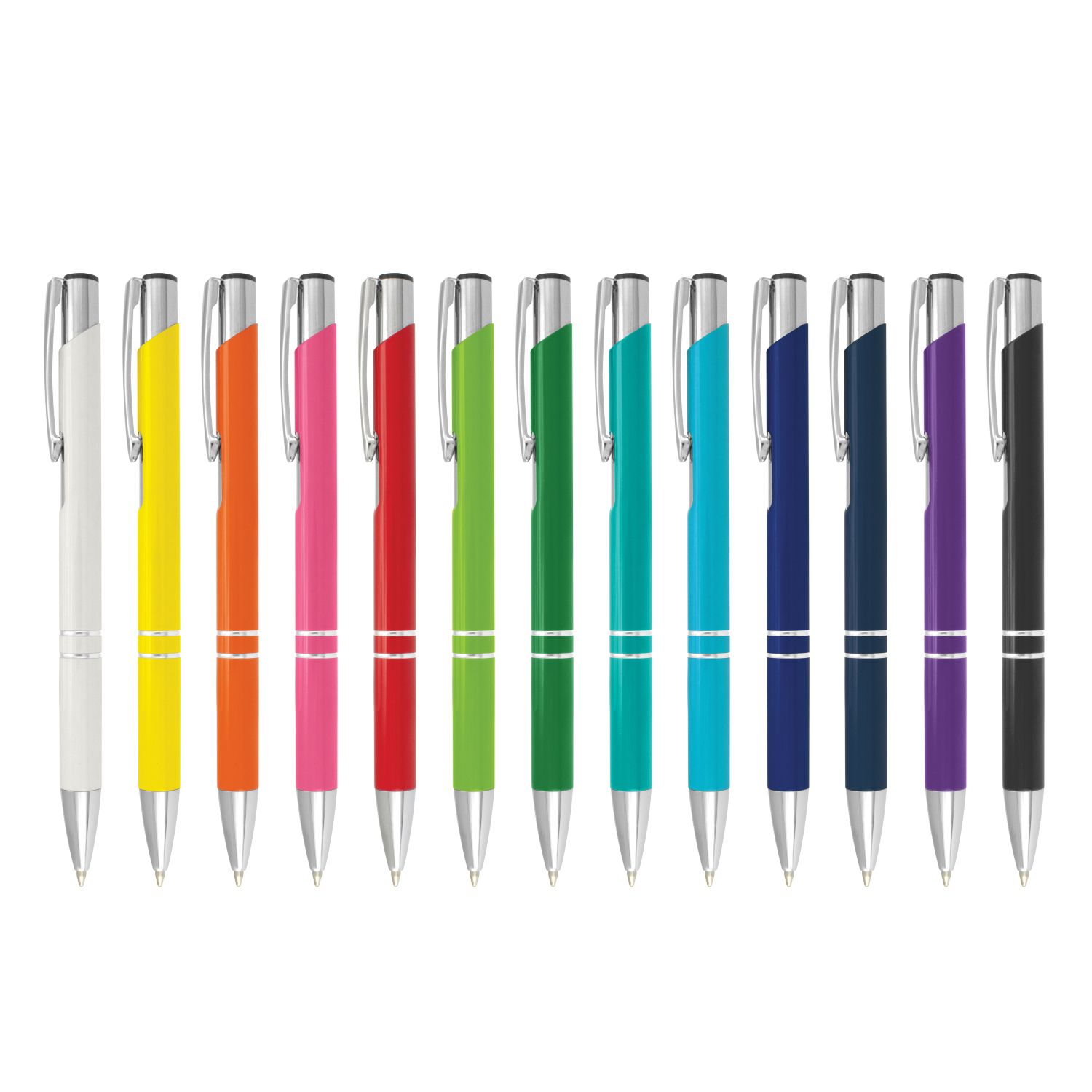
Array of colorful pens lined up, each with a silver clip and accents.
June 28, 2025
One of the most effective promotional items is the pen.  At NCP Printing, choose from hundreds of pens from our catalogue and customise it with your branding! Select from our extensive range of styles to match your purpose. Let your recipients relate to your campaign by creatively aligning the style of the pen to your promotion.
Graphic designer sitting a work desk creating logo
May 14, 2025
Discover how professional print materials can reflect your values and foster lasting customer loyalty. Invest in impactful design today and contact our creative team.
Printing specialist helping a business owner with their digital printing needs in the Hunter Region.
April 10, 2025
Discover the benefits of digital printing for small businesses in the Hunter Region with NCP Printing. Click here to enhance your marketing materials today!
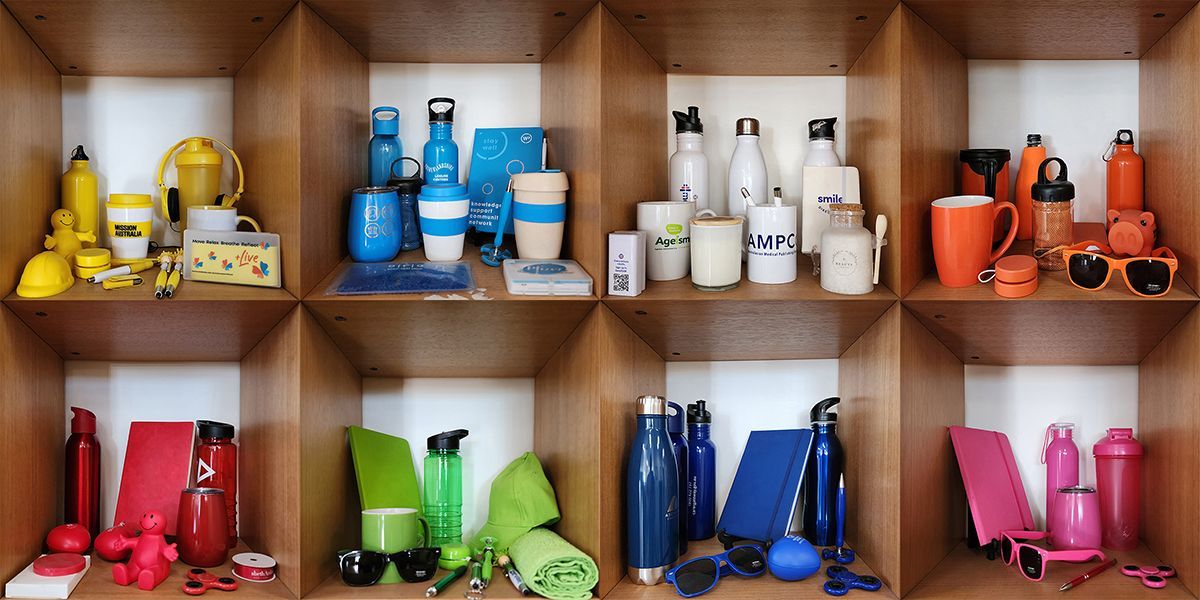
Exploring Custom Promotional Products
January 15, 2025
Promotional products can enhance your business's marketing. Read our blog to explore different types of promotional products to consider for your business.
Sparkler lit, emitting bright sparks and smoke against a light blue background.
December 12, 2024
We held our annual NCP End of Year BBQ today to thank our staff for their hard work over the past 12 months.
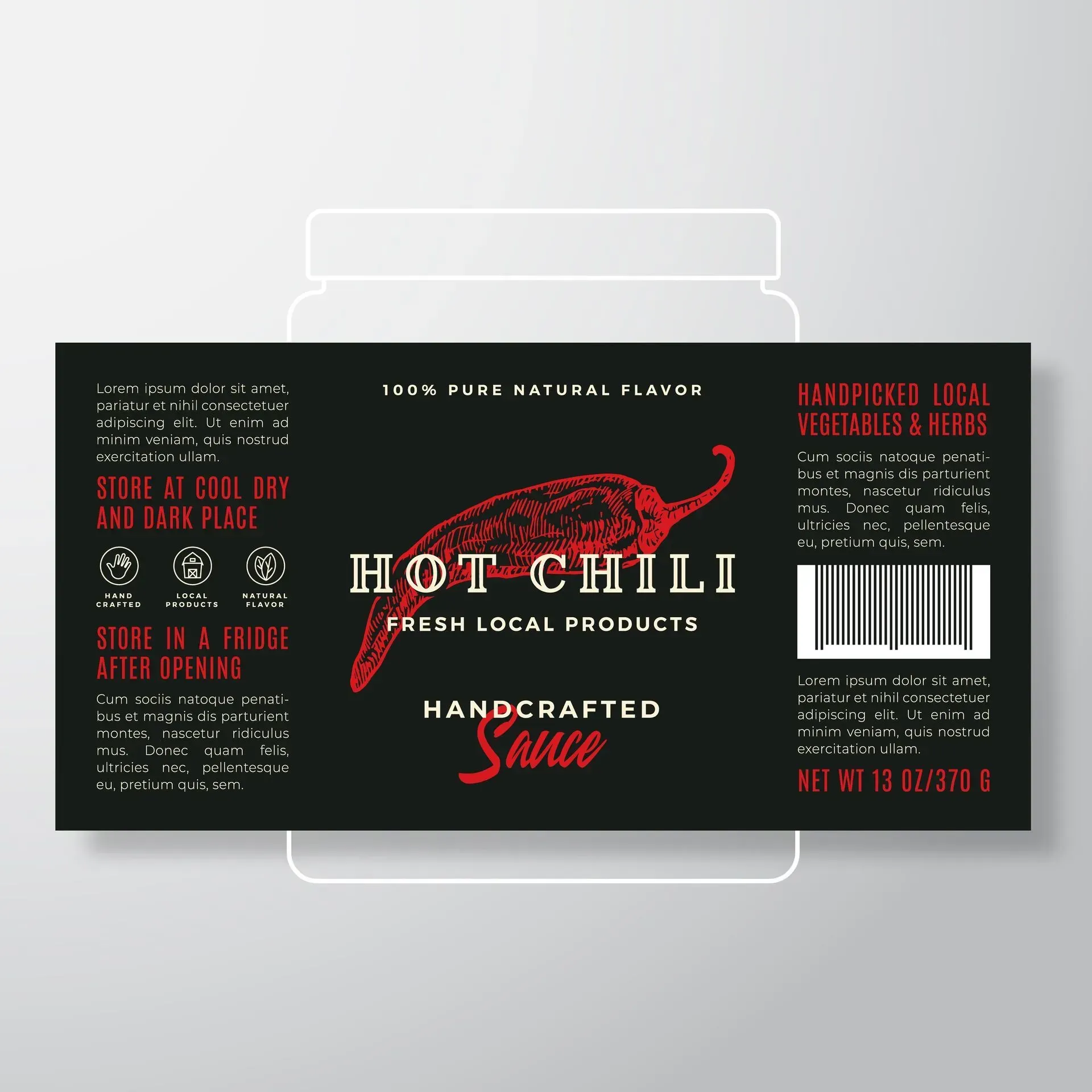
Label for hot chili sauce with red chili pepper illustration on a black background, listing ingredients and instructions.
December 9, 2024
Creating the right food packaging design is one of the most crucial decisions you’ll make when introducing your product to the market. It’s not just about keeping your food fresh; your packaging is the first thing a customer sees. It must capture attention, convey information and reflect your brand identity—all while remaining functional and cost-effective. Whether you are a seasoned food entrepreneur or just starting out, understanding the design considerations for your food product's packaging can set your business up for success. Reflecting Your Brand’s Identity Your packaging is an extension of your brand and should immediately communicate who you are to potential customers. Is your brand modern and bold, or classic and elegant? These elements should influence your design choices, from colour schemes to typography and imagery. For example, if you’re selling organic granola, you might opt for earthy tones and natural textures that resonate with eco-conscious consumers. The right design not only draws attention but also fosters trust in your brand. Ensuring Functionality and Practicality Packaging must not only look good—it has to work well. Consider how your product will be stored, transported and used by the consumer. Think about the end-user’s experience and select features that align with their needs, such as portability, convenience or ease of disposal. Attracting With Visual Appeal Aesthetics are a powerful driver of consumer behaviour. Many consumers make purchase decisions in just a few seconds, so your design must capture attention immediately. The use of bold, high-quality imagery, creative layouts and balanced design elements can convey your message without overwhelming the viewer. Custom printing services can help enhance your visual appeal, offering an array of options for vivid colours, detailed textures and eye-catching finishes that stand out on the shelf. Communicating Essential Information Clear, concise communication is vital for your packaging. Your design must include essential details, such as nutritional information, ingredients, allergens and best-before dates. This isn’t just a best practice—it’s often a legal requirement. But you don’t want to simply fulfill regulatory standards. Your messaging should also highlight your product’s unique selling points. Whether it’s gluten-free, organic or made with locally sourced ingredients, ensure this information is easily visible. Selecting the Right Materials Your choice of materials plays a crucial role in your packaging design. Sustainability is becoming increasingly important to consumers, so if you opt for recyclable or biodegradable materials, you’re likely to resonate with eco-conscious buyers. Additionally, your material choice affects the durability and overall feel of the packaging. A sturdy, well-crafted package gives the impression of a premium product, while a flimsy one could damage your brand’s image. Creating a Memorable Unboxing Experience Unboxing isn’t just for luxury brands; it has become an integral part of the customer experience even in the food industry. Consider how you can make your packaging memorable while still being practical. Unique box designs, vibrant inner linings or personalised thank-you notes can all contribute to a more meaningful first impression, encouraging repeat purchases and social media mentions. Making Your Packaging Work for You Designing your food product's packaging is an opportunity to make a lasting impression on customers. By focusing on brand identity, functionality and clear communication and leveraging custom printing services for visual impact, you can create packaging that sells your product and builds long-term loyalty. Don’t overlook the importance of the finer details—they often add up to create a truly standout brand presence. Starting with these considerations puts your food product on the path to success. Contact us at NCP, and we'll help you design and print the perfect packaging for your product.
A couple wearing glasses reads magazines on a couch near a window. The woman points at a page, smiling.
December 2, 2024
In today's digital age, where most marketing efforts are focused on online platforms, creating and printing a physical magazine for your company might seem like a bold move. However, this traditional form of media holds unique advantages that can significantly benefit your business. In this article, we'll explore how magazine printing can enhance your marketing strategy, what to consider in terms of design and layout, and the importance of engaging a professional printing company. How Can A Magazine Be A Great Form Of Marketing? Magazines still matter in marketing. With the saturation of digital content, there is an undeniable charm to holding a beautifully crafted magazine. This tactile experience can captivate your audience in ways digital media cannot. Magazines allow for storytelling that is more immersive and comprehensive than typical online content. With in-depth articles and high-quality visuals, you can engage your readers on a greater level. Having a printed magazine can position your company as an authority within your industry. It lends credibility and demonstrates a commitment to quality, which can enhance brand perception. Offering detailed insights into industry trends, featuring expert interviews, or sharing behind-the-scenes of your business can inform and build trust with your audience. What Should You Consider For Your Magazine's Design And Layout? Design and layout are crucial elements when it comes to magazine printing. A visually appealing design draws readers in and encourages them to engage with the content. Start by defining the aesthetic that best represents your brand — whether it's sleek and modern or classic and sophisticated — and maintain consistency throughout each issue. If your company has an established brand style guide, ensure it is applied to the design. Pay attention to typography choices; they should be readable yet stylish enough to complement the visual narrative of your pages. High-resolution images are essential for maintaining professional quality; invest in good photography if needed. Content structure is another vital consideration. Balance long-form articles with shorter snippets that cater to different reader preferences. Include plenty of visuals such as infographics or illustrations that break up text-heavy sections while adding interest. If you have any questions about the design and layout of your magazine, contact us for professional graphic design services and advice. Why Should You Consider A Professional Printing Company For Your Magazine? Choosing a professional printing company ensures superior results that will reflect positively on your company brand. Professional printers have access to top-of-the-line equipment and high-quality materials which make all the difference in producing precise colours and sharp printing. Additionally, working with experienced professionals means benefiting from their expertise in paper stock selection (eg: glossy vs matte), binding options (eg: perfect-bound vs saddle-stitched), and finishing touches (eg: spot UV coating, foiling or embossing). These details might seem minor but contribute significantly towards creating an impressive final product that stands out from your competitors' offerings. Finally, partnering with reputable printers often includes assistance with logistics like mailing and distribution planning — an added convenience when trying to manage multiple aspects of running a business while launching new marketing initiatives simultaneously. Explore your options or go through some successful case studies by contacting our specialists at NCP today!
Person opening a mailbox, receiving a white envelope. The mailbox is gray-blue, and the person wears a red-orange sweater.
November 4, 2024
In an increasingly digital world, direct mail marketing might seem outdated. However, this tried-and-true method has proven to be a powerful tool for organisations looking to stand out and connect with their audience in a meaningful way. Understanding the benefits of direct mail marketing can significantly enhance your marketing strategy. Tangible and Memorable One of the key advantages of direct mail is its physical nature. In today's digital age, where email inboxes are flooded with promotions and advertisements, a tangible piece of mail stands out. Recipients are more likely to open and read a direct mail piece than an email, making it a memorable touch-point in your marketing campaign. The tactile experience of holding a beautifully designed postcard or brochure can leave a lasting impression on potential customers. Complements Digital Marketing Contrary to popular belief, direct mail marketing doesn't compete with digital marketing; it complements it. Integrating direct mail with your digital campaigns creates a cohesive and multi-channel marketing strategy. For instance, you can use direct mail to drive traffic to your website, promote a social media contest or encourage email sign-ups. The combination of physical and digital touchpoints enhances your brand's visibility and reinforces your marketing messages. Builds Trust and Credibility In an era of online scams and data breaches, customers are becoming increasingly cautious about sharing their information online. Direct mail marketing provides a sense of legitimacy and trustworthiness that digital channels sometimes lack. When recipients receive a well-designed and professionally printed mailer from your business, it conveys a sense of reliability and dedication to quality. This can positively impact your brand's reputation and foster long-term customer relationships. Cost-Effective Marketing Direct mail marketing offers a cost-effective solution for businesses of all sizes. While digital marketing channels often require ongoing budgets for pay-per-click (PPC) ads or social media promotions, direct mail involves a one-time investment in design, printing and postage. Additionally, the higher response rates and targeted reach of direct mail can result in a favourable cost per acquisition (CPA), making it a budget-friendly option for achieving your marketing goals. Enhances Brand Recognition Consistent branding is crucial for building brand recognition and recall. Direct mail provides an excellent opportunity to reinforce your brand's visual identity and messaging. By using your brand's colours, logo and design elements, you create a cohesive and recognisable look across all your marketing materials. This consistency helps customers associate your brand with professionalism and reliability, increasing their likelihood of choosing your products or services. Encourages Customer Loyalty Direct mail isn't just for attracting new customers; it's also a powerful tool for nurturing existing ones. Sending personalised offers, exclusive discounts, or loyalty rewards through direct mail can make your customers feel appreciated and valued. This sense of loyalty can lead to repeat business and positive word-of-mouth referrals. By consistently engaging with your customers through direct mail, you can build strong and lasting relationships that contribute to your business's long-term success. Incorporating direct mail marketing into your overall strategy can offer numerous benefits, from personalised engagement and high response rates to cost-effective campaigns and enhanced brand recognition. By leveraging the unique advantages of direct mail, you can elevate your marketing efforts and connect with your audience in a meaningful and impactful way. Ready to see the difference direct mail can make for your organisation? Work with us at NCP.